Are Electric Foot Warmers Worth It?
Cold feet at a desk can wear on you long before you notice. Here’s what electric foot warmers actually do, who tends to get the most use from one, and what the real trade-offs look like before you spend any money.
Short answer: If you deal with cold feet at a desk on a regular basis, the low running cost and everyday comfort make it an easy addition to a home office. If you’re only occasionally chilly, warm socks may cover it.
What Is an Electric Foot Warmer, Exactly?
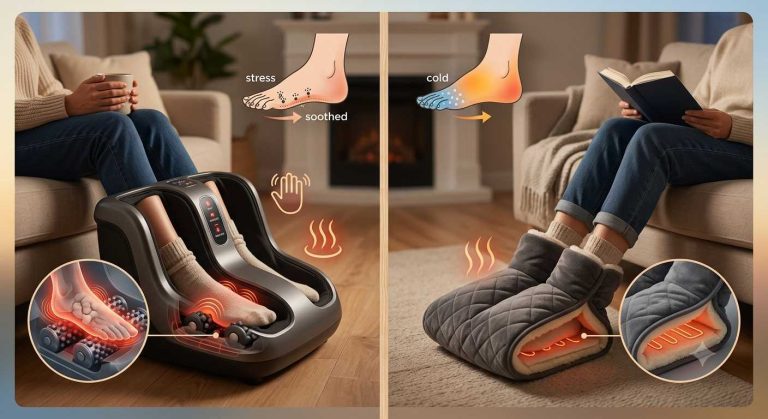
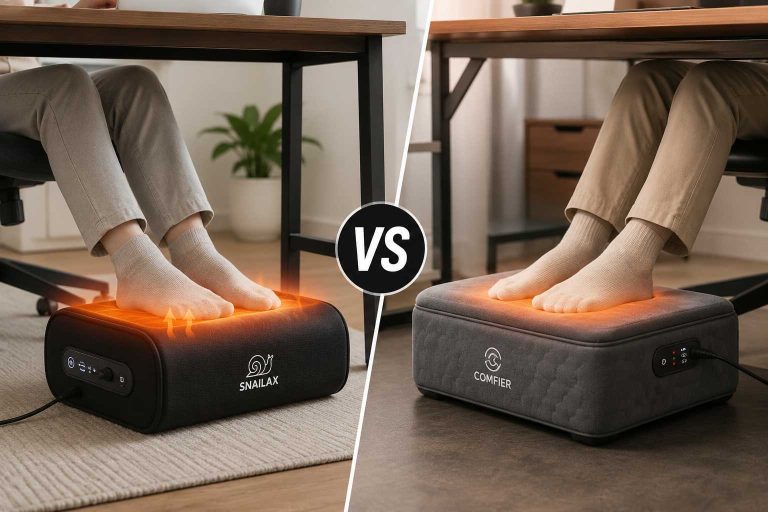
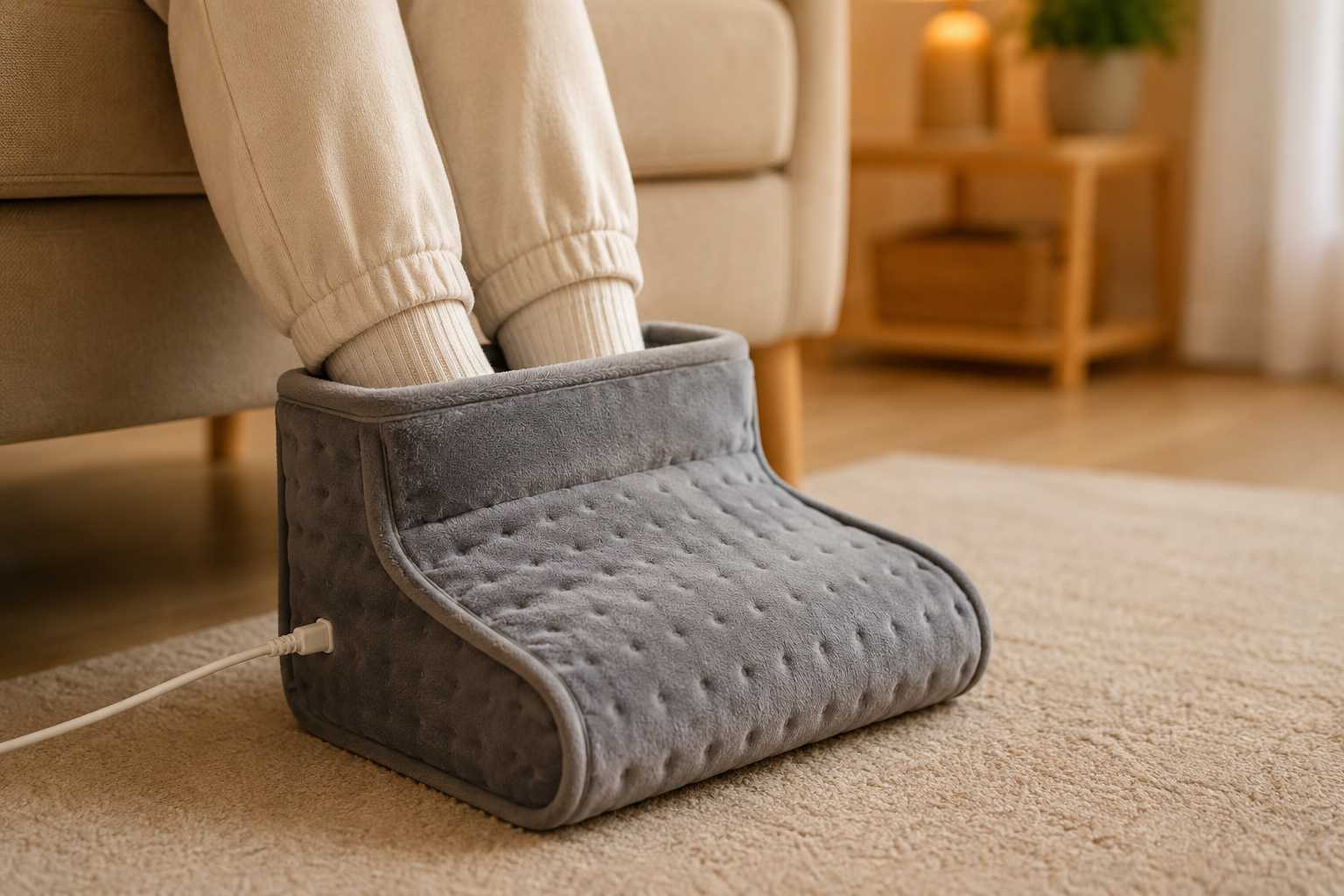
The category covers a few different products. The most common is a heated footrest or foot pad that sits flat on the floor and warms your feet from below while you work or relax. Others take the form of heated slippers or wrap-style warmers that enclose the foot entirely.
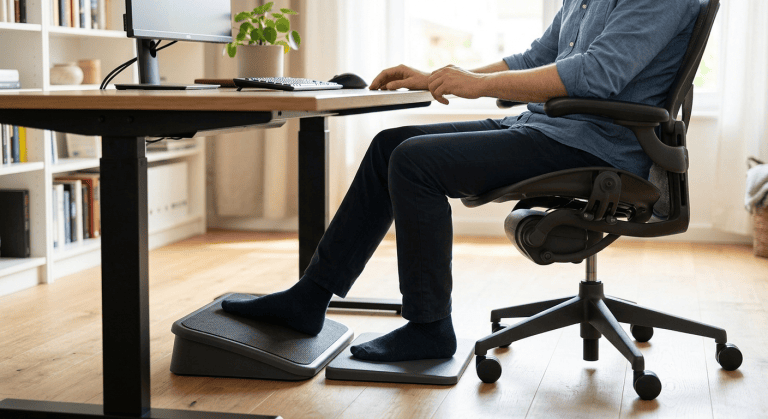
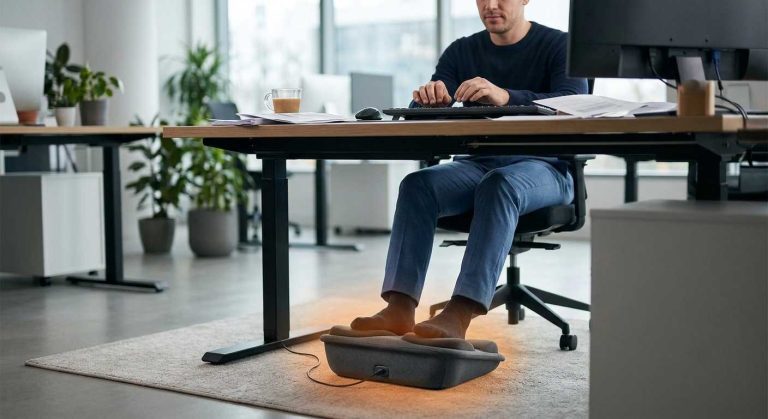
For desk workers, the heated footrest format tends to be the most practical. It fits under a standard desk, runs on low wattage, and does not require changing anything about how you sit. Most models offer a few heat settings and an auto shut-off, which helps if you tend to get absorbed in work and forget about it.
Who Actually Benefits From One?
Anyone Who Runs Cold
Some people simply feel cold feet more than others, regardless of season. For this group, a heated footrest can make a real difference to daily comfort, not just in winter.
Remote Workers
Offices have climate control built in. Home setups often do not, especially in older houses where the floor stays cold even when the room feels warm. Sitting still for long stretches means feet are the first to notice.
Students & Desk-Based Work
Sedentary work, study sessions, and anyone who tends to run cold will likely get more use from a foot warmer than someone with an active job or a naturally warm home.
What Are the Running Costs Like?
Most electric foot warmers draw somewhere between 20 and 150 watts, depending on the model and setting, comparable to a modest light bulb at the lower end.
That is cheaper than leaving an overhead light on for the same hours. Running costs are not a meaningful concern for most households.
| Price Tier | What to Expect |
|---|---|
| Budget ($30–$40) | Basic heat settings, simpler build |
| Mid-Range ($60–$100) | Better coverage, more even heat distribution |
Are There Any Real Downsides?
Quality varies between brands
Cheaper models sometimes distribute heat unevenly, so one part of the surface feels warmer than another. Reading reviews for a specific product before buying is worth the time.
Cord placement
Placement can feel slightly awkward depending on your desk setup, especially if your outlets are not close to where you sit.
Comfort, not a fix
A heated footrest provides warmth and comfort. It is not a substitute for checking in with a doctor if cold feet are a persistent, year-round concern for you.
Higher settings can feel intense
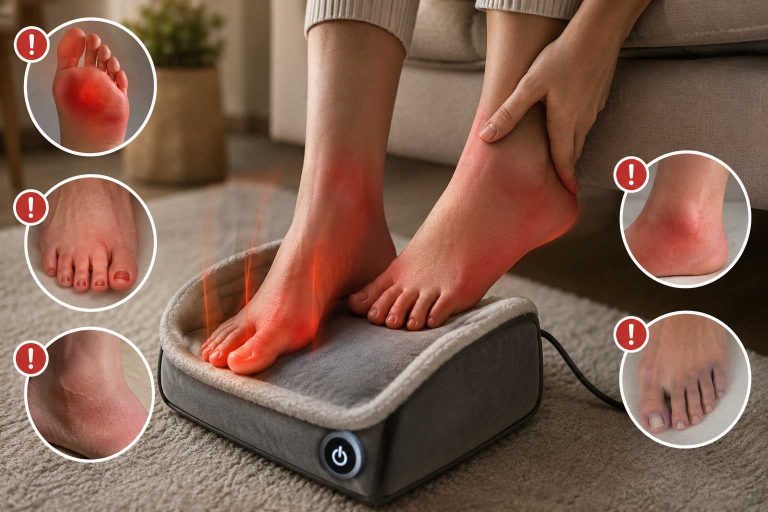
Working barefoot or in thin socks, direct contact on a higher heat setting can feel a bit strong. Most people find low-to-medium more comfortable for extended use.
So, Is It Worth It?
Likely worth it if…
You work from a desk in a cool environment and deal with cold feet on a regular basis. The running cost is low, the everyday comfort is real, and most models are reasonably priced for what they offer.
Harder to justify if…
You are only occasionally a bit chilly and generally manage fine with warm socks. In that case, it is a product you would likely use a handful of times and set aside.
The strongest case for buying one comes down to consistent, daily discomfort that affects how you work or relax. If that sounds familiar, a foot warmer is one of the more straightforward comfort upgrades for a home office.
Compare Your Options
Browse heated electric footrests to find the right fit for your setup and budget.
Shop Heated FootrestsQuick Questions
How much does an electric foot warmer cost to run?
Typically under $0.10 a day for a few hours of use, or around $2 to $3 a month for regular daily use.
Do I need to change how I sit at my desk?
No. A heated footrest sits flat under a standard desk and does not require any change to your setup.
Is a higher heat setting always better?
Not necessarily. Most people find a low-to-medium setting more comfortable for extended, everyday use.
This guide is intended for general comfort and warmth purposes. If cold feet are a persistent, year-round concern, it is worth checking in with a doctor.