Cold Feet at Night? Here’s How to Warm Them Up Fast
There’s something uniquely miserable about climbing into bed after a long day, only to lie there wide awake because your feet feel like they’ve been stored in a freezer. The good news: there are several quick ways to warm them up, and most don’t require anything fancy.

This guide covers the fastest, most practical methods, from what to wear to what to do before bed, plus a few habits worth understanding about why your feet get cold in the first place.
Fastest fix: Warm socks or a hot water bottle at the foot of the bed. Both work in minutes and need nothing more than what’s already in your home.
Why Your Feet Get So Cold at Night
Your extremities, especially your feet and hands, sit the furthest from your heart. When your core temperature drops or blood flow slows, those areas lose heat first. For some people, this is simply how their body works. If cold feet are a persistent and uncomfortable pattern for you, it’s worth mentioning to a doctor. For most people, though, it comes down to everyday blood flow and bedding.
The Fastest Methods to Warm Up Cold Feet in Bed
-
Wear Socks to Bed
The most straightforward option, and genuinely one of the most effective. Wool socks, particularly merino, stay warm without making your feet sweaty. Fleece-lined socks work well too. Cotton is fine but holds less heat once your feet are damp. Warm feet before sleep can also help you drift off a bit faster, so socks do double duty for comfort and settling in.
-
Use a Hot Water Bottle
Placing a hot water bottle at the foot of your bed a few minutes before you get in warms the bedding directly, so the heat transfer is almost immediate. Skip boiling water straight from the kettle. Hot tap water or water left to cool for a minute or two is enough, and safer against bare skin.
-
Try a Heated Footrest Before Bed
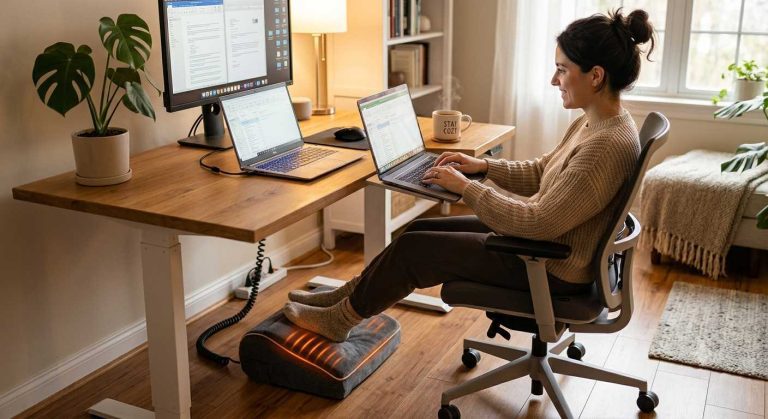
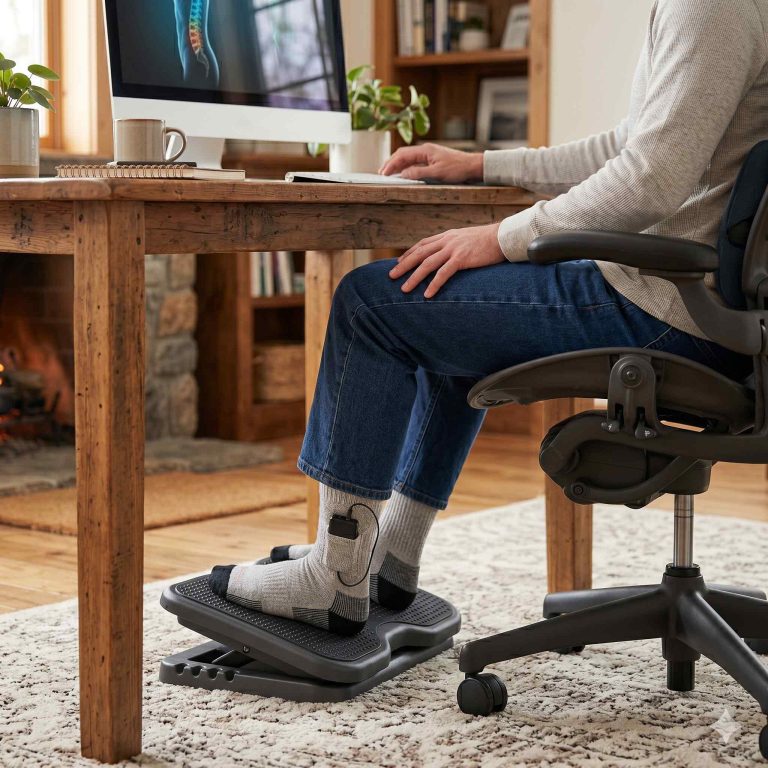
Sitting with your feet on a heated electric footrest for 20 to 30 minutes before bed warms them ahead of time, so they’re already cozy by the time you’re under the covers. This works especially well after a day spent sitting at a desk, when cold feet at bedtime often follow a day of staying still.
-
Soak Your Feet in Warm Water
A short foot soak, even 10 minutes, raises the temperature of your feet. It’s a slightly slower method than socks or a hot water bottle, but many people find it relaxing, which adds a wind-down benefit on top of the warmth. Dry feet thoroughly afterward and add socks before bed to keep the heat in longer.
-
Do a Few Minutes of Light Movement
Already in bed with cold feet? Flexing and pointing your feet, circling your ankles, or wiggling your toes for a minute or two can help. It’s not the most luxurious solution, but it costs nothing and works in a pinch. Getting up and walking around briefly does the same thing more effectively, if you can talk yourself into it.
What Makes the Difference Long-Term
If cold feet in bed happen most nights, a few habits can reduce how often it comes up.
Stay Hydrated
Drinking enough water throughout the day supports healthy circulation.
Eat a Proper Evening Meal
A meal that’s too light, or eaten too early, can leave less metabolic warmth to work with overnight.
Move Regularly
Regular exercise supports circulation overall, including to your feet. Even a short daily walk adds up.
Watch the Room Temperature
A very cold room means your body prioritizes warming your core over your feet. Somewhere between 16 and 20°C tends to work well for most people.
A Note on Electric Blankets and Heated Mattress Pads
These are popular and effective for warming the bed before you get in. Most people are better off using them to pre-warm the bed for 15 to 20 minutes, then switching them off, rather than leaving them on through the night.
Warm Up Before Bed
Browse heated footrests designed to warm your feet in the 20 to 30 minutes before you turn in.
Shop Heated FootrestsWrapping Up
Cold feet at night are frustrating, but usually fixable with fairly simple changes. The fastest options are socks, a hot water bottle, or warming your feet ahead of time with a foot soak or a heated footrest. Movement helps in a pinch, and if cold feet are a regular occurrence, small habits around hydration, exercise, and bedroom temperature can make a real difference over time.
If you’re building a better sleep routine and cold feet keep getting in the way, starting with warm socks and a pre-bed warming habit is a low-effort place to begin.
Quick Questions
What’s the fastest way to warm up cold feet in bed?
A hot water bottle placed at the foot of the bed a few minutes before you get in gives the most immediate warmth.
Is it safe to sleep with an electric blanket on all night?
Most people are better off using it to pre-warm the bed, then switching it off before falling asleep.
Does room temperature really affect how cold my feet feel?
Yes. In a very cold room, your body tends to prioritize warming your core, which can leave your feet feeling colder even if the rest of you feels fine.
If cold feet are a persistent and uncomfortable pattern for you, it’s worth mentioning to a doctor.