Do Heated Footrests Actually Help with Office Productivity?
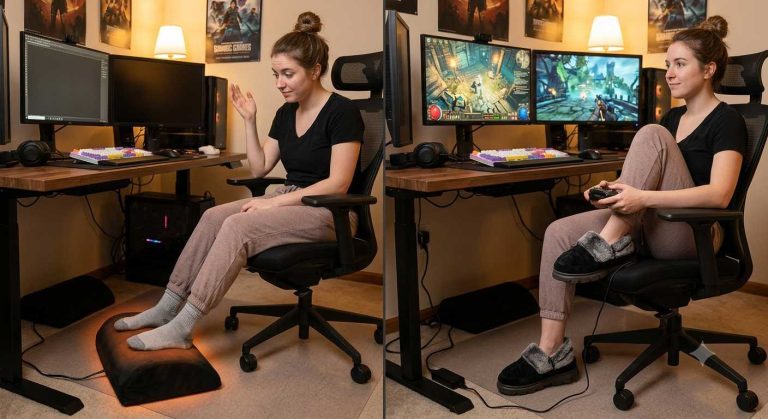
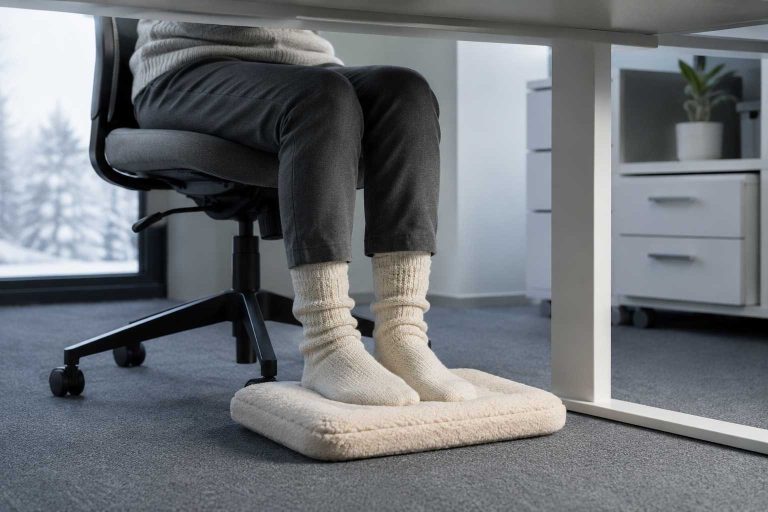
There’s a particular kind of misery that comes with sitting at a desk in winter. Your hands are fine. Your coffee is warm. But somewhere around the second hour of the workday, your feet go numb against the floor, and suddenly that project you were focused on feels a lot harder to care about.
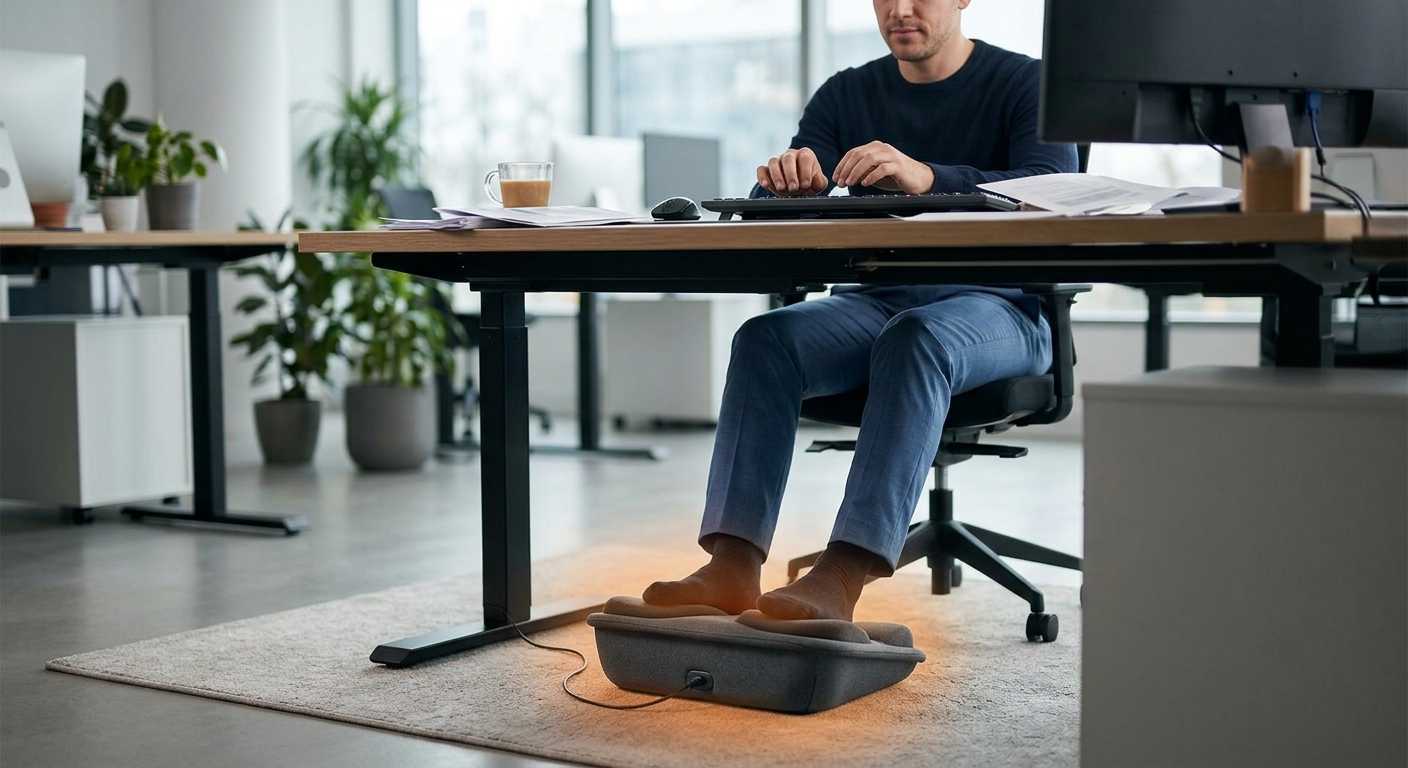
Cold feet at a desk is one of those low-grade discomforts people tend to dismiss. Not painful enough to complain about, but persistent enough to be quietly distracting. If you’ve ever found yourself shuffling your feet under your chair or tucking them up on the seat just to get some warmth going, you know the feeling.
So the question is: could a heated footrest genuinely help? Is it a real ergonomic tool or just a novelty? Here’s what the research suggests, and what to look for if you decide to try one.
Why Cold Feet Make It Harder to Concentrate
The science here is fairly straightforward. When your body gets cold, it works harder to maintain its core temperature, and that effort pulls energy away from other functions, including the mental ones you’re relying on to get work done. Analyses of temperature and workplace performance note that feeling cold uses a substantial amount of the body’s energy just to stay warm, leaving less for concentration, inspiration, and focus.
Your feet are especially vulnerable here. Sitting at floor level, often on tile, hardwood, or thin carpet, they lose heat faster than the rest of your body. Cold feet are generally understood to result from the body narrowing blood flow to peripheral regions, which produces a pronounced sensation of cold. The connection to focus isn’t just anecdotal either. Research has pointed to temperature regulation as a factor in maintaining productivity, since temperature discomfort can negatively affect focus and cognitive function.
None of this means cold feet are the only reason you’re staring blankly at your screen. But if you’re working in a cool office or drafty home setup, they’re probably not helping.
The Ergonomics Angle
Ergonomics is typically framed around posture, screens, and chair height. Foot comfort rarely gets the same attention, but it’s part of the same picture. A well-designed ergonomic environment supports psychological wellbeing by reducing stress and fostering a sense of value for employees, which in turn boosts job satisfaction and overall performance.
That includes the small stuff. Discomfort that seems minor, like cold or cramped feet, still pulls at your attention throughout the day. Uncomfortable employees often report feeling tired, which reduces their ability to perform effectively, and many take more frequent breaks to stretch or move around to relieve the strain.
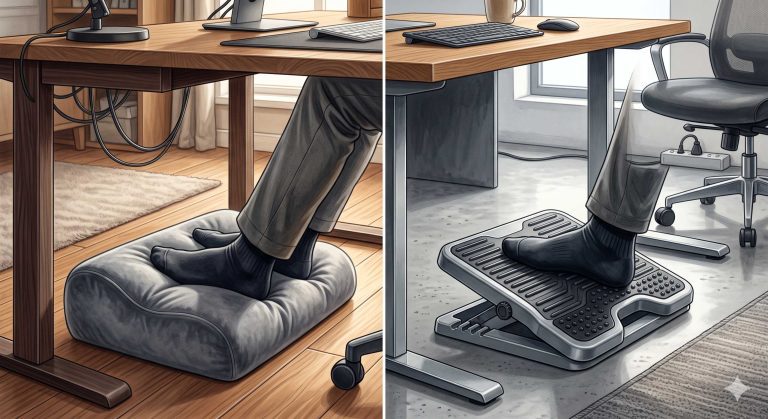
A footrest addresses a few things at once. It raises your feet slightly off the floor, good for posture and circulation, and a heated version adds warmth directly where you need it. The result tends to be less fidgeting, less mental static, and a slightly more comfortable body that isn’t spending cognitive overhead trying to regulate itself.
What to Look for in a Heated Footrest
Not all of them are worth the space. Some are bulky, run hot without adjustment, or just feel plasticky underfoot.
- Size & profile A lot of heated footrests are thicker than they look in photos. If you’re working with tighter leg space, aim for a flat or gently angled surface that sits close to the floor.
- Heat settings Two or three levels is enough to dial warmth back in warmer months or up in winter.
- Stability & non-slip base A footrest that slides around on hardwood is more hazard than help. Look for a silicone or rubber base.
- Washable cover A removable, machine-washable cover is worth having, especially for daily use.
A Few Options That Fit the Brief
There’s a handful of heated footrests that manage to be practical without being bulky, worth a look if you want something that slots neatly under a smaller desk.
Comfier CF-5420
A memory foam footrest with two heat levels and adjustable height. The plush upper layer feels good underfoot, the removable cover keeps things hygienic, and the compact footprint sits low enough for most standard desks.
Fellowes Climate Control Footrest
A hybrid option offering both heating and cooling, adjustable height and angle, and surface massage bumps, making it a solid pick for people whose feet run both hot and cold. Slightly more expensive, but covers a wider range of conditions.
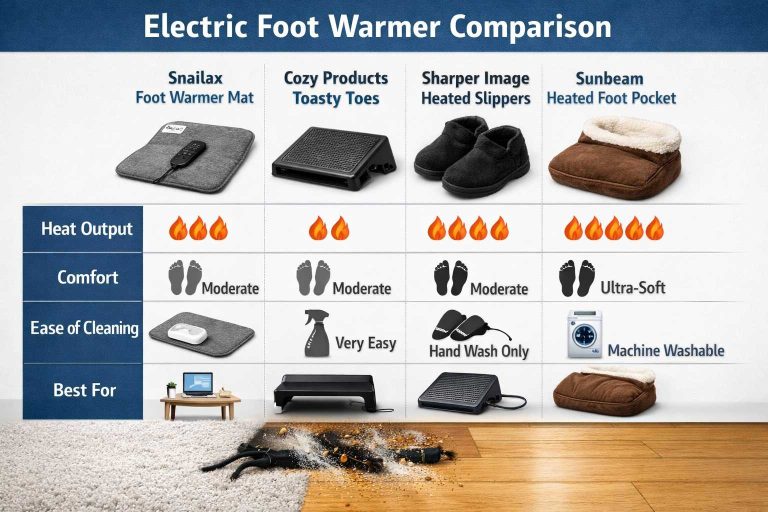
Cozy Products Toasty Toes
One of the simpler heated footrests on the market, using only a fraction of the energy a space heater would. It can double as a footrest or a flat warming panel, making it a practical choice for small workspaces with a minimal design.
Is It Worth It?
If your feet are consistently cold at your desk, probably yes. The benefit isn’t dramatic or instant, but physical comfort is one of those foundations that makes everything else easier. Ergonomics tends to boost productivity by giving workers an individualized space where they can feel comfortable, physically and mentally, and a heated footrest is a small, low-cost addition to that setup.
You’re not going to double your output by warming your feet. But you might find you shift around in your chair less, feel slightly more settled into your work, and stop mentally planning your next trip to the kitchen to stand next to the kettle.
For anyone spending long hours at a desk in a cool environment, it’s a practical investment. Start with a simple model if you’re unsure, the category doesn’t need to be complicated to be effective.
Quick Questions
Can cold feet really affect focus at work?
Research on temperature and workplace performance suggests that feeling cold pulls energy away from concentration, since the body spends more effort maintaining its core temperature.
How many heat settings should I look for?
Two or three is enough for most people, giving you room to dial warmth up in winter and back down in warmer months.
Are heated footrests worth it for a small desk setup?
A low-profile model with a flat or gently angled surface can fit under most standard desks without taking up much legroom.
References & Resources
- Oxford Air Conditioning. “The Impact of Temperature on Concentration Levels.” Read article
- Buffer Resources. “The Science of How Room Temperature and Lighting Affects Our Productivity.” Read article
- “The role of ergonomics in enhancing work motivation and performance of virtual assistants in e-commerce.” ScienceDirect, 2025. Read study
- “Improvement of Blood Flow and Epidermal Temperature in Cold Feet Using Far-Infrared Rays” (randomized trial). NCBI. Read study
- Business.com. “5 Ways an Ergonomically Designed Workstation Can Improve Your Productivity.” Read article
- Eureka Ergonomic. “Ergonomics Combats Presenteeism: Boost Focus and Productivity.” Read article
- How-To Geek. “The Best Under-Desk Footrests of 2024.” Read article