Heated Insoles vs Heated Socks: Which One Actually Keeps Your Feet Warmer?
Cold feet are miserable. Both heated insoles and heated socks use battery-powered heating elements to fight the cold, but their structural differences change how they perform in the field.
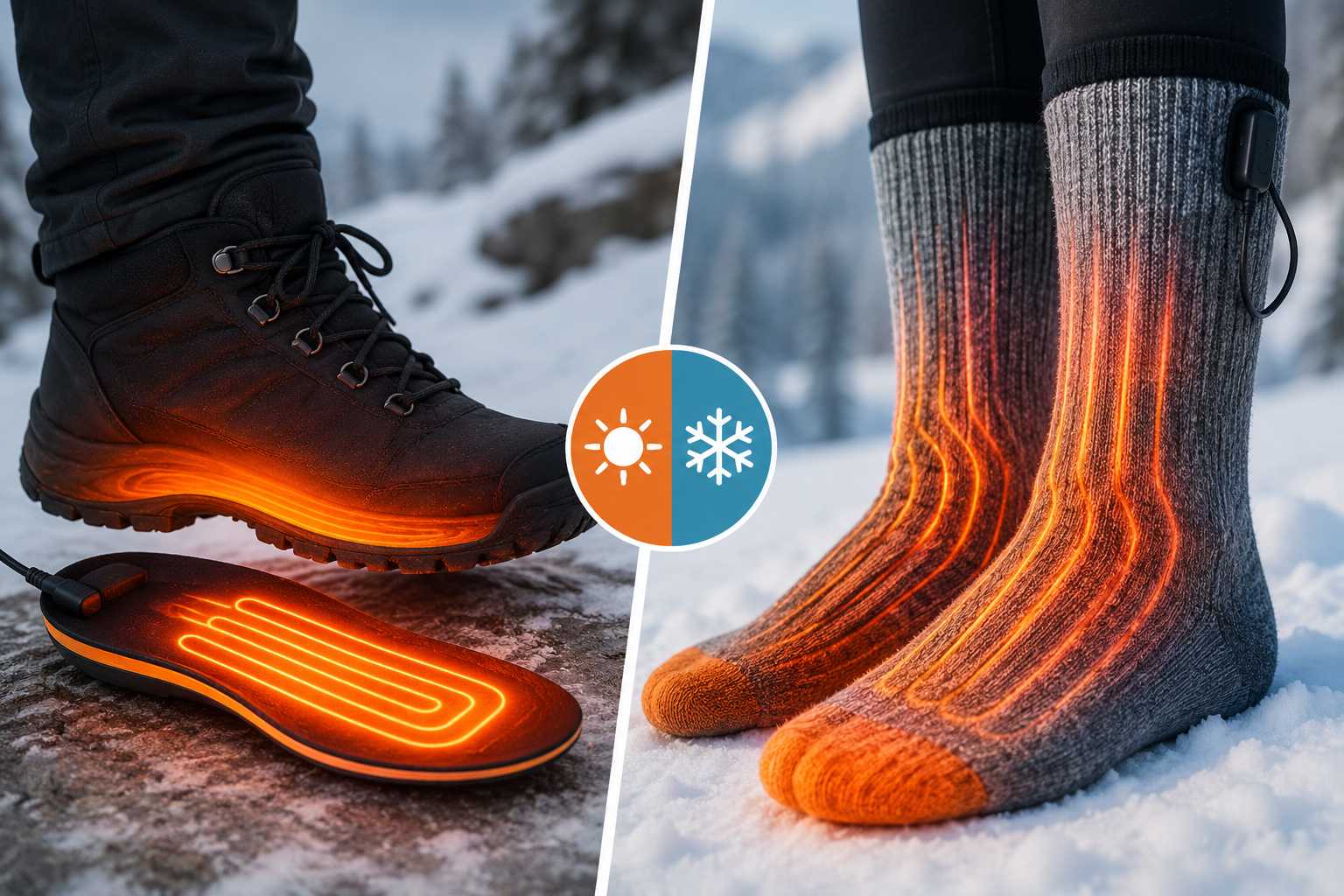
Cold feet are miserable. Whether you’re standing on a frozen hunting ground at dawn, commuting through a brutal winter, or just trying to get through a ski day without losing feeling in your toes, the right foot warmer makes a real difference. Two options keep coming up: heated insoles and heated socks. Both use battery-powered heating elements, both work, and both have real trade-offs.
So which one should you pick? The answer is less about which is “better” in some absolute sense and more about how you actually use them.
How Each One Works
Heated insoles sit inside your shoes. They have a heating element built into the footbed, powered by a battery that’s usually integrated into the insole itself or tucked into a small pack that clips on the outside of your boot. You trim them to size, drop them in, and the heat comes up from the sole of your foot.
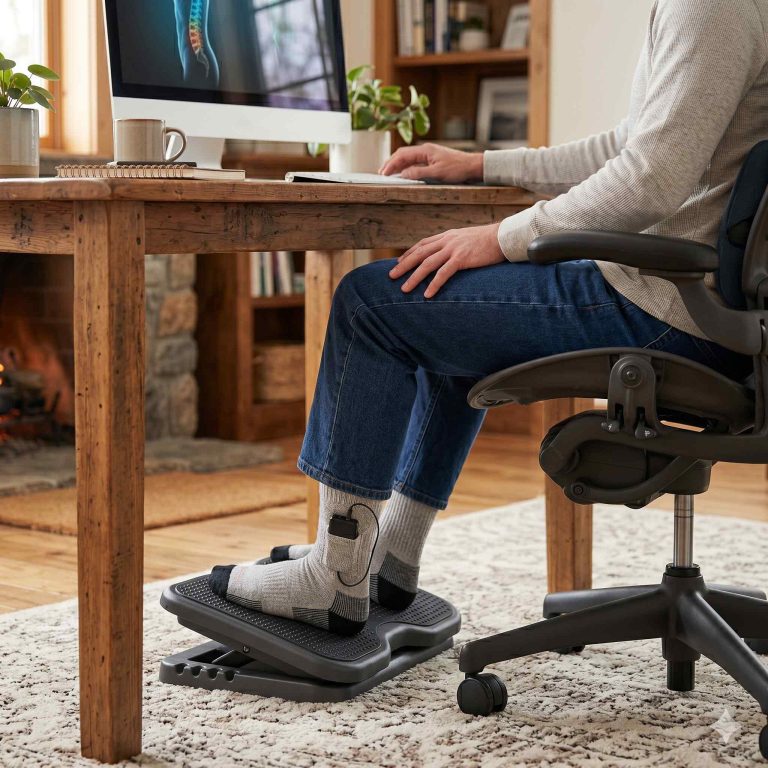
Heated socks wrap around your entire foot. The heating wires are woven or laminated into the fabric, and a small battery pack attaches near the cuff. They go on like any other sock and can be paired with whatever footwear you have.
That structural difference shapes almost everything else about how they perform.
Warmth Coverage: Where the Heat Actually Goes
This is the most practical comparison point. Heated insoles deliver heat from underneath. Your sole and the ball of your foot get warm, which helps, but the top of your foot and your toes only benefit indirectly.
Heated socks cover the whole foot. Toes, sides, sole, sometimes even part of the calf. For people who lose feeling in their toes first, that full-foot coverage makes a noticeable difference. It’s also why heated socks tend to be recommended for people with Raynaud’s syndrome or circulation issues, since consistent, even warmth across the entire foot helps more in those cases.
Circulation Insight: For individuals suffering from Raynaud’s syndrome or poor circulation, full-foot heat coverage from socks provides far superior relief compared to underfoot-only heating.
If the goal is total foot warmth with nothing left out, socks have the edge here.
Battery Life and Convenience
Battery life tends to favor insoles. On a lower setting, many heated insoles run for 8 to 12 hours, while heated socks typically manage 5 to 8 hours at a comparable setting. On high heat, both drop significantly, usually to somewhere in the 2 to 5 hour range.
The insole battery placement also helps with day-to-day convenience. Because the battery is built into the footbed or clips to the boot, it stays out of your way. Heated socks put the battery near the cuff, and on longer hikes the weight can cause the sock to gradually slide down. It’s a small thing, but it gets annoying.
Insoles are also easy to switch between shoes. Trim them once, use them in your work boots in the morning and your hiking boots on the weekend.
Fit, Comfort, and Footwear Compatibility
Heated insoles add thickness. This matters a lot if your boots already fit snugly. Ski boots in particular have almost no extra room, so adding a heated insole can create pressure points or push your heel up. Heated socks, being closer in bulk to a regular winter sock, tend to cause fewer fit issues across different footwear.
On the flip side, if you’re particular about your socks, insoles let you wear whatever you like underneath. Thick wool socks, cushioned trail socks, whatever you prefer. With heated socks, you give up some of that choice.
Insoles also need trimming to fit properly. It’s not complicated, but it’s worth mentioning since getting the size wrong affects both comfort and heating performance.
Durability and Maintenance
Insoles generally last longer. They don’t go in the washing machine, so there’s less wear on the wiring and heating elements over time. Heated socks need to be washed, which introduces some risk. Most handle it fine with a delicate cold cycle and air drying, but repeated washing does shorten their lifespan compared to insoles.
The flip side is that socks are usually cheaper upfront, so replacing them when they eventually wear out isn’t as painful.
Longer battery life, zero washing wear, easy swap between multiple pairs of boots, but adds thickness underfoot.
360-degree warmth coverage, better for tight footwear like ski boots, lower upfront cost, but requires careful washing.
Which One Makes More Sense For You?
| Feature / Category | Heated Insoles | Heated Socks |
|---|---|---|
| Heat Coverage | Sole & ball of foot (Bottom-up) | 360° coverage (Toes, top, sole, sides) |
| Average Battery Life | 8 to 12 hours (Low) | 5 to 8 hours (Low) |
| Fit Impact | Adds thickness; can tighten snug boots | Similar bulk to standard winter socks |
| Maintenance | Wipe clean; no machine washing needed | Requires delicate washing & air drying |
| Best For | All-day active work, boot swapping | Stationary cold exposure, Raynaud’s, skiing |
It comes down to what you’re doing and what matters most to you.
Heated insoles tend to suit:
- Office workers and commuters who want something discreet in dress shoes or everyday boots
- People doing high-activity outdoor work where the insole’s longer battery life is useful
- Anyone who wants to swap warmth between multiple pairs of shoes
- Hikers and walkers who want underfoot heat without dealing with sock maintenance
Heated socks tend to suit:
- Skiers, snowboarders, and anglers who spend hours standing still in the cold and need all-around warmth
- People with circulation issues who benefit from heat reaching the toes and sides of the foot
- Anyone who wants a versatile option they can wear indoors or in different footwear situations
- People on a tighter budget looking for a lower entry cost
Some people use both, and honestly that’s not a bad approach if warmth is a real priority for you.
Upgrade Your Cold-Weather Gear
Explore top-rated foot heating solutions to keep your toes warm all winter long.
Shop Foot WarmersKey Takeaways
- Heated socks provide full 360-degree heat coverage around toes and sides, making them ideal for standing still or circulation issues.
- Heated insoles deliver longer battery life (up to 12 hours) and are easier to transfer between multiple pairs of boots.
- Insoles add thickness to footbeds, which can compress tight footwear like ski boots, whereas socks maintain a standard profile.
- Insoles enjoy a longer lifespan because they avoid the mechanical wear and tear of washing machines.
- Choosing the right option depends on your activity level, footwear clearance, and how long you need continuous heat.
The Bottom Line
Neither heated insoles nor heated socks are a universal answer. Insoles offer longer battery life, easier maintenance, and a discreet fit in most shoes. Socks cover more of the foot, work well for circulation-related cold feet, and tend to cost less upfront.
Think about where you spend most of your time in the cold. If you’re active and want all-day power without thinking about it, insoles are probably the better fit. If you’re stationary for long stretches or really struggle with cold toes, socks are worth the trade-offs.
Either way, your feet will thank you for making a decision.
References and Resources: Savior Heat: Heated Insoles vs. Heated Socks; G-Heat: How to Choose Between Heated Insoles and Heated Socks; The Ski Monster: Heated Insoles vs Heated Socks: Which Is Better for Skiing?; Outforia: Heated Insoles vs Heated Socks: Which Option Is Right For You?; InsoleMaker (3BU): Are Heated Insoles or Socks Better?