How to Safely Clean and Wash Your Electric Foot Warmer Cushion
If you use a heated electric foot warmer regularly, you already know how good it feels at the end of a long day. Feet sweat even when cold, meaning your plush lining requires proper, safe cleaning to stay fresh.
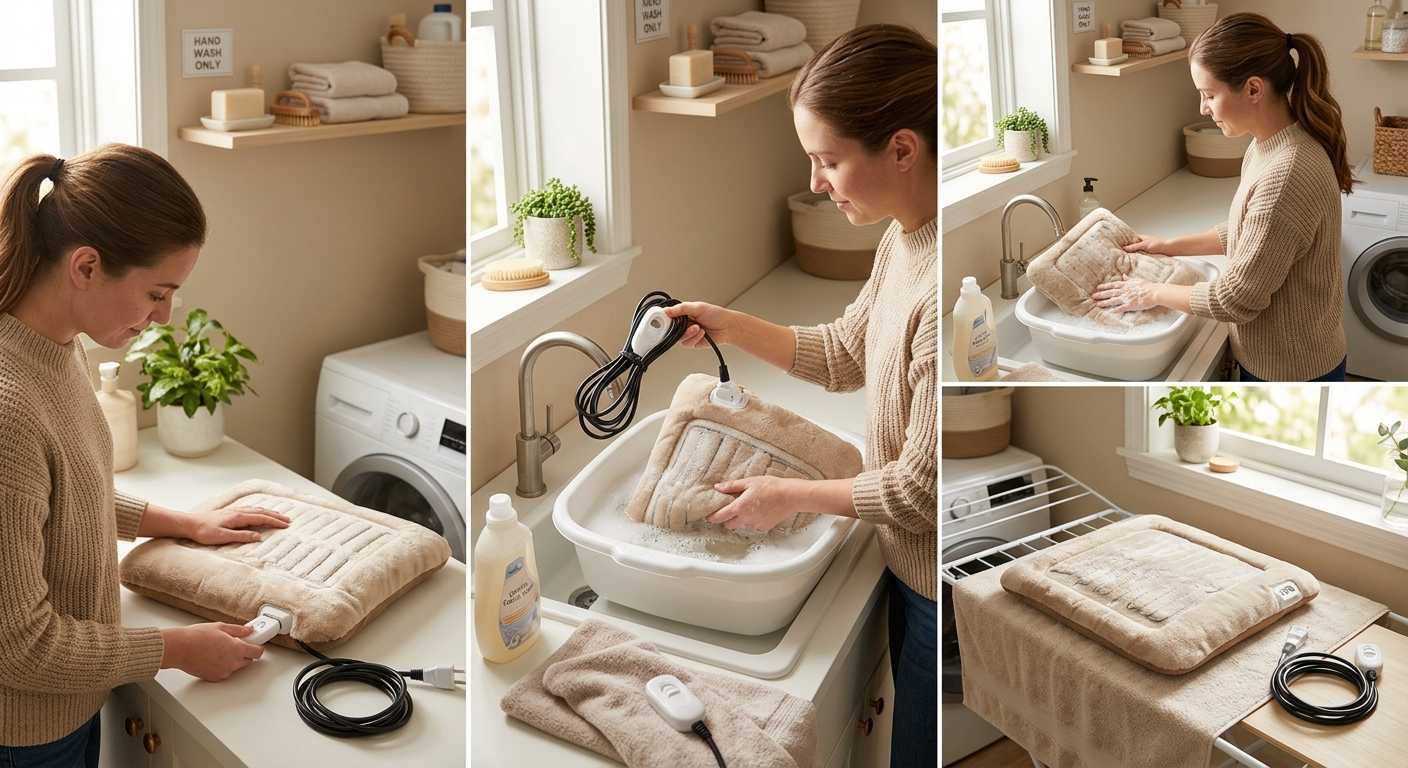
Cleaning an electric foot warmer is not complicated, but it is easy to get wrong. The heating element inside is not something you can just toss in the wash. This guide covers how removable covers work, what you can safely machine wash, and the one thing you should never do, no matter how dirty it gets.
Understanding How These Units Are Designed
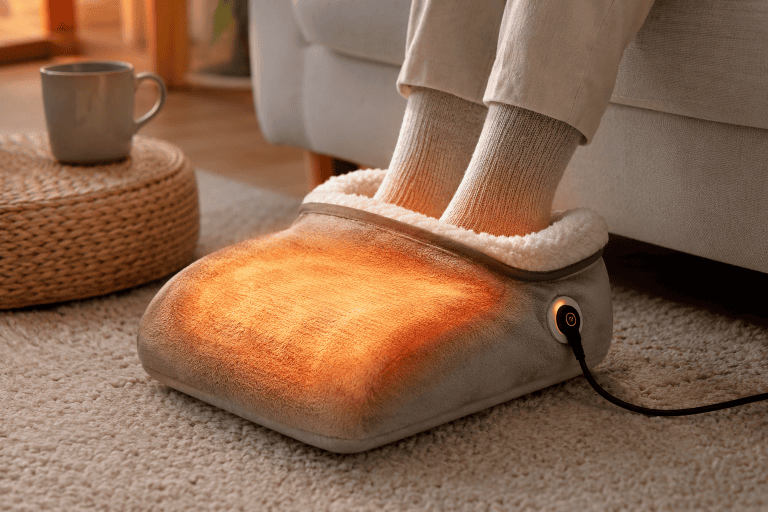
Most electric foot warmer cushions on the market today are built with cleaning in mind. The heating wires, the controller, and all the electrical components sit inside a separate inner layer. That inner layer is wrapped in a plush outer cover, usually flannel or sherpa fleece, which is where your feet actually rest.
The two parts connect through a zipper at the back or base of the unit. To clean the cover, you remove it. The controller unplugs. The heating layers slide out. What you are left with is essentially a fabric pouch that has nothing electrical in it at all.
This design is why so many manufacturers, including brands like EVAJOY and Diweez, can list their products as machine washable. They mean the cover specifically, not the whole thing. That distinction matters more than most people realise when they first get the product.
How to Wash the Removable Cover
Once you have separated the cover from the heating components, washing it is straightforward. A few key steps ensure the fabric stays soft and functional:
- Unplug everything first: Make sure the unit is fully disconnected from the wall and cooled down completely before taking anything apart.
- Use a gentle cycle: Wash the cover in cool or warm water (maximum 40°C / 104°F). High heat can cause plush fleece fibers to shrink or lose texture.
- Use mild detergent only: Skip fabric softeners and bleach. Bleach breaks down plush fibers, while softeners reduce moisture-wicking capabilities.
- Air dry naturally: Hang or lay flat to dry. Avoid high-heat tumble drying to prevent zipper warping or pouch shrinkage.
What You Should Never Do: The Heating Element Rule
This is the non-negotiable part. The heating element, controller, power cord, and attached internal wiring must never be submerged in water. Not for a quick rinse, not in a sink, and not in a tub.
Critical Safety Warning: Never submerge the inner heating element or electrical cord in water. Never plug the unit back in to “dry it out” if it gets wet, as trapped internal moisture creates a severe electrical shock and fire hazard.
If the inner heating layers develop any dampness or odour, spot clean them using a barely damp cloth and allow them to air dry fully in a ventilated area before reassembly. A light spray of fabric-safe deodoriser followed by complete air drying works well to freshen internal layers between cover washes.
Tips for Keeping It Fresh Between Washes
Staying on top of simple daily habits means you will not need to wash the outer cover as frequently:
Wear Clean Socks: Wearing thin cotton or bamboo socks acts as a barrier, reducing the amount of sweat transferred directly into the plush lining.
Air It Out After Use: Do not fold or store the warmer while it is still warm or damp. Leave the pocket open for 20 to 30 minutes to allow trapped moisture to evaporate.
Inspect Cords Regularly: Always check the cord and controller before plugging the unit in. Discontinue use immediately if you spot fraying, scorching, or unusual controller heat.
Drying and Reassembly
Once the cover is washed and completely dry, reassembly is just the reverse of taking it apart. Slide the heating layers back inside, zip the cover closed, and reattach the controller cord. Make sure no part of the fabric or inner pad remains damp before plugging the warmer back in.
If you are pulling your foot warmer out after seasonal storage, perform a quick visual inspection of the wiring, controller, and cord insulation before its first use of the winter.
Conclusion
Cleaning an electric foot warmer is straightforward once you understand how the unit is constructed. The removable plush cover is made to be washed, while the internal heating elements must stay dry at all times.
By washing the cover on a gentle cycle, air drying it completely, and keeping water away from all electrical components, your foot warmer cushion will remain clean, safe, and cozy for seasons to come.
Quick Questions
Can I put the entire foot warmer in the washing machine?
No. Only the removable fabric cover is machine washable. The internal heating element, controller, and electrical wiring must never be placed in a washing machine or submerged in water.
What should I do if the inner heating pad gets wet?
Unplug it immediately and let it air dry completely in a warm, well-ventilated space for several days. Never plug the unit in to dry it out using its own heat, as this creates a serious electrical fire risk.
Can I dry the foot warmer cover in a tumble dryer?
Air drying on a line or drying rack is strongly recommended. If you must use a dryer, select a low-heat or no-heat delicate setting to prevent shrinking or damaging the zipper.
Always check the manufacturer safety label on your specific electric foot warmer model before washing, as care guidelines may vary across brands.
References & Resources
- EVAJOY. “Electric Heated Foot Warmer Product Guide & Care Manual.” walmart.com
- Diweez. “Electric Foot Warmer Removable Cover Instructions.” amazon.com
- Mapfre Insurance. “Electric Blanket and Heating Pad Cleaning Safety.” mapfre.com
- Geniani. “How to Wash Heating Blankets and Pads Safely.” geniani.com
- Kogan. “KAHEATINGPA Electric Heating Pad User Manual.” kogan.com
- Online Safety Trainer. “Top 8 Safety Tips for Heating Pads and Electric Blankets.” onlinesafetytrainer.com
- Ting Fire Safety. “Heated Blankets and Heating Pads: Electrical Safety Tips.” tingfire.com