Are There Heated Socks That Actually Work?
Cold feet are miserable. Whether you’re standing still on a winter hunt or queuing at a ski lift, standard thermal socks don’t always cut it. Here is what independent testing says about whether battery-powered heated socks actually work.
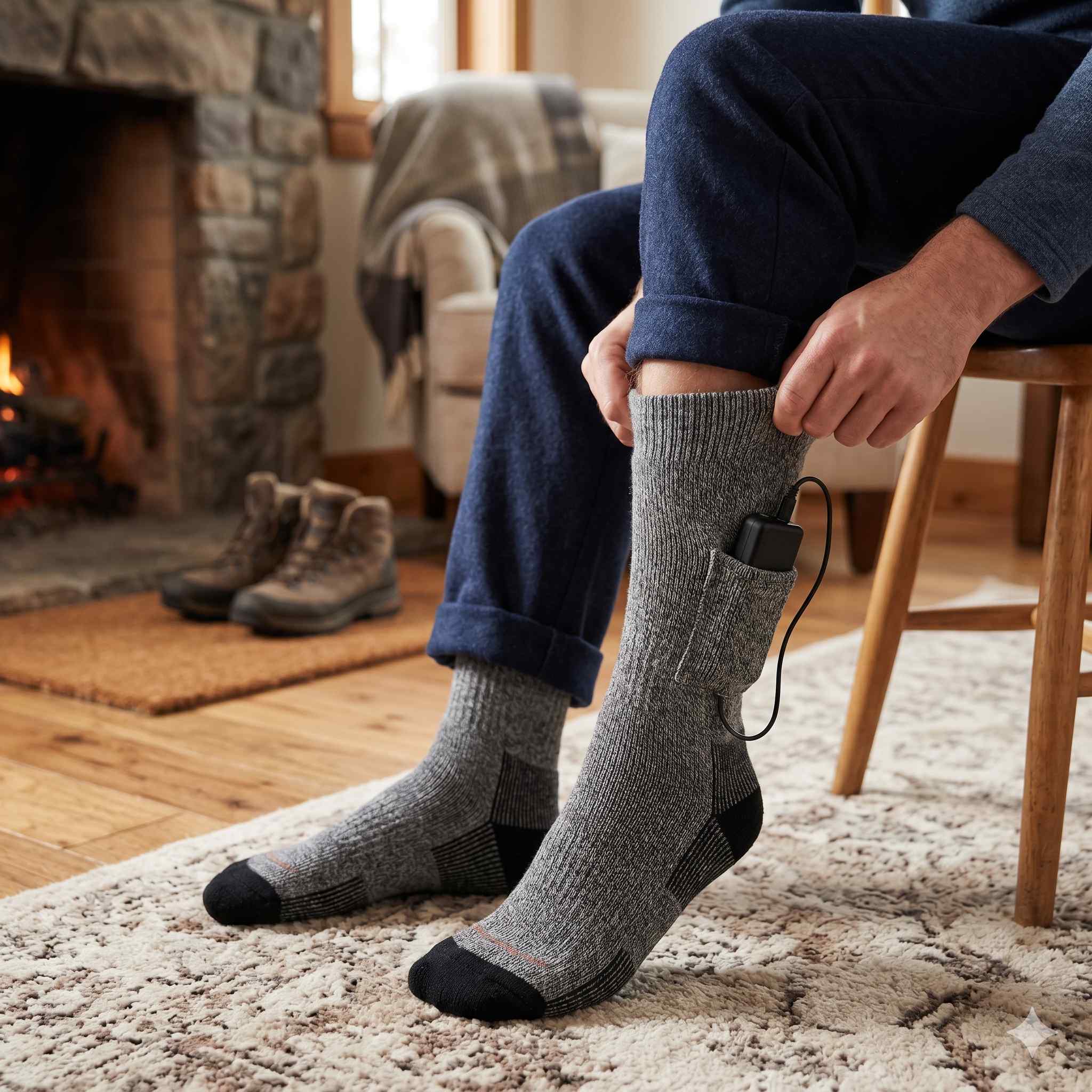
Cold feet are miserable. Whether you’re standing still on a winter hunt, queuing at a ski lift, or just someone whose circulation has never been great, regular socks often just don’t cut it. So the question people keep typing into search bars is a reasonable one: do heated socks actually work, or are they just gimmicky gadgets that disappoint when it counts?
The short answer is yes, heated socks work. But there’s a longer answer that’s worth knowing before you spend anywhere from $80 to $450 on a pair.
How Heated Socks Actually Function
Most battery-powered heated socks use thin wire heating elements woven into the fabric, typically positioned across the top of the foot and around the toes. The heating element runs along the upper side of the foot and across the tops of the toes, and the rechargeable battery pack usually clips into a cuff or side pocket near the ankle.
Passive Insulation: Traps existing body heat close to the skin. Relies entirely on your body’s natural circulation and heat generation.
Active Heat Generation: Adds external thermal energy directly to extremities, bypassing circulation bottlenecks and extreme ambient cold.
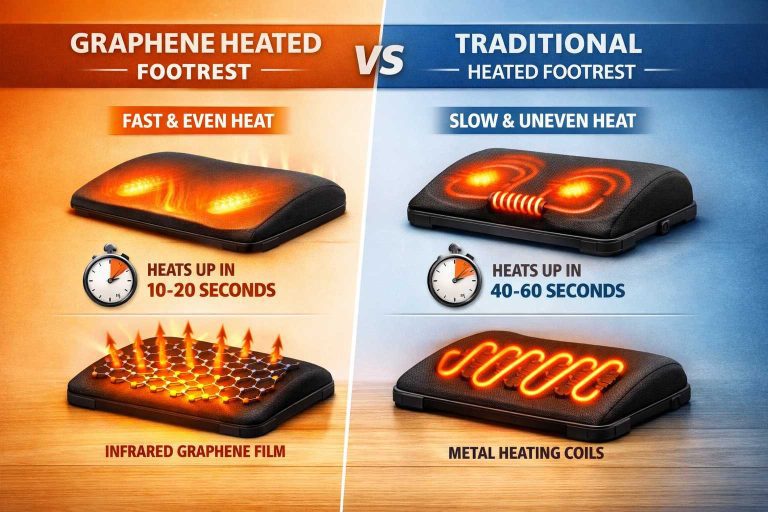
The heating elements themselves are remarkably thin these days. Ultra-thin, flexible infrared fiber heating elements never feel bulky or irritating, marking a meaningful improvement over older designs where wires could be felt underfoot.
What the Testing Actually Shows
Independent testing by outdoor publications has put heated socks through real-world conditions, and the results are mostly encouraging.
On the lowest heat setting, some models kept toes comfortable for four hours in temperatures ranging from 10 to 20 degrees Fahrenheit. Higher-end options perform even better, with battery life lasting almost 10 hours depending on settings, brand, and ambient conditions.
Pro Tip on Battery Usage: Real-world use on high heat drains batteries rapidly (usually 2 to 5 hours). To preserve power for long days outdoors, start on a medium or low setting from the outset rather than blasting high heat immediately.
Warmth coverage varies noticeably by brand. Premium models wrap flat-stitched, unobtrusive heating wires across both the top and bottom of the toe cap, delivering comprehensive warmth with no noticeable cold spots.
Who Benefits Most From Heated Socks
Hunters, skiers, and outdoor workers are the obvious audience. But another key group finds immense value in active heating: people with conditions that affect peripheral circulation.
| User Group | Primary Benefit | Key Consideration |
|---|---|---|
| Outdoor Enthusiasts & Workers | Maintains thermal comfort during long, stationary exposure in sub-freezing weather. | Requires managing battery life and avoiding excessive sock sliding. |
| Raynaud’s Sufferers | Active warmth prevents vasospasms and provides necessary external heat when circulation fails. | Consistent, full-foot toe cap heating is strongly recommended. |
| Individuals with Neuropathy | Supplemental heat helps maintain comfort in cold environments. | Must use lowest settings and check skin regularly due to reduced sensation. |
For Raynaud’s sufferers, vasospasms constrict blood vessels dramatically, slashing blood flow. Because the body isn’t generating heat to trap, passive wool socks fail. Podiatrists note that the active warmth from heated socks can assist circulation and support long-term peripheral blood flow.
The Real Limitations (And They Matter)
Heated socks work, but they’re not perfect. A few honest limitations are worth knowing upfront:
- Bulk & Footwear Fit: Battery packs add bulk near the cuff, making them difficult to wear discreetly in casual or dress shoes. They are best suited for roomier outdoor boots and ski boots.
- Durability & Washing Risks: Repeated machine washing can stress internal wiring. Most pairs require mesh washing bags, delicate cold cycles, battery removal, and strict air-drying.
- Battery Lifespan: Lithium-ion battery packs are typically rated for ~300 charge cycles before capacity degrades (roughly two full seasons of heavy winter use).
- Upfront Price: Budget pairs start around $50 to $80, while high-performance options with premium batteries can reach up to $460.
What to Look For Before Buying
If you’ve decided to give heated socks a try, keep these essential criteria in mind:
- Verified Battery Life: Look for socks that deliver at least 8 hours on low-to-medium settings for full-day outdoor usability.
- Comprehensive Heat Coverage: Prioritize models that wrap heating elements around both the top and bottom of the toe cap rather than a small single patch.
- Control Method: Premium models feature Bluetooth app compatibility so you can adjust settings without unzipping outer layers, whereas simpler models rely on cuff buttons.
- Merino Wool Blends: High-quality fabric manages moisture, resists odor, and retains passive warmth even if the battery runs out.
Upgrade Your Cold-Weather Gear
Explore top-rated heated socks and personal warming accessories to stay comfortable outdoors.
Shop Foot WarmersKey Takeaways
- Heated socks actively generate heat rather than passively trapping body warmth, making them highly effective for sub-freezing temperatures and poor circulation.
- Independent testing verifies up to 10 hours of warmth on lower settings, though high heat drains batteries significantly faster.
- People with Raynaud’s syndrome benefit immensely because active heating bypasses vasospasms that stop natural heat production.
- Proper maintenance—such as using delicate cycles, mesh bags, and air drying—is critical to protect internal wiring.
- Look for merino wool blends, Bluetooth app controls, and 360-degree toe cap heating elements for best results.
Final Thoughts
Heated socks do work, and for the right use case, they can be a worthwhile investment. They’re not magic, and the cheaper pairs come with real reliability concerns. But well-made heated socks from brands like Gerbing, Hotronic, Lenz, or Fieldsheer have been tested in demanding conditions and consistently delivered.
If you spend extended time outdoors in cold weather, deal with circulation issues, or have simply tried every thermal sock on the market and still ended up with cold feet, heated socks are worth a proper look. Start with a mid-range pair, read recent user reviews, and go in with realistic expectations about bulk and battery life. Your feet will likely thank you.
References and Resources: Field & Stream: We Tested the Best Heated Socks; Outdoor Life: Best Heated Socks of 2026; Ski Magazine: The Best Heated Socks for Sub-Freezing Adventures; Yahoo Shopping: The Best Heated Socks, Tested and Approved; Fieldsheer: Top Heated Socks Recommendations; Cozy Winters: Heated Socks for Raynaud’s Disease; Raynaud’s Association; Dead Soxy.