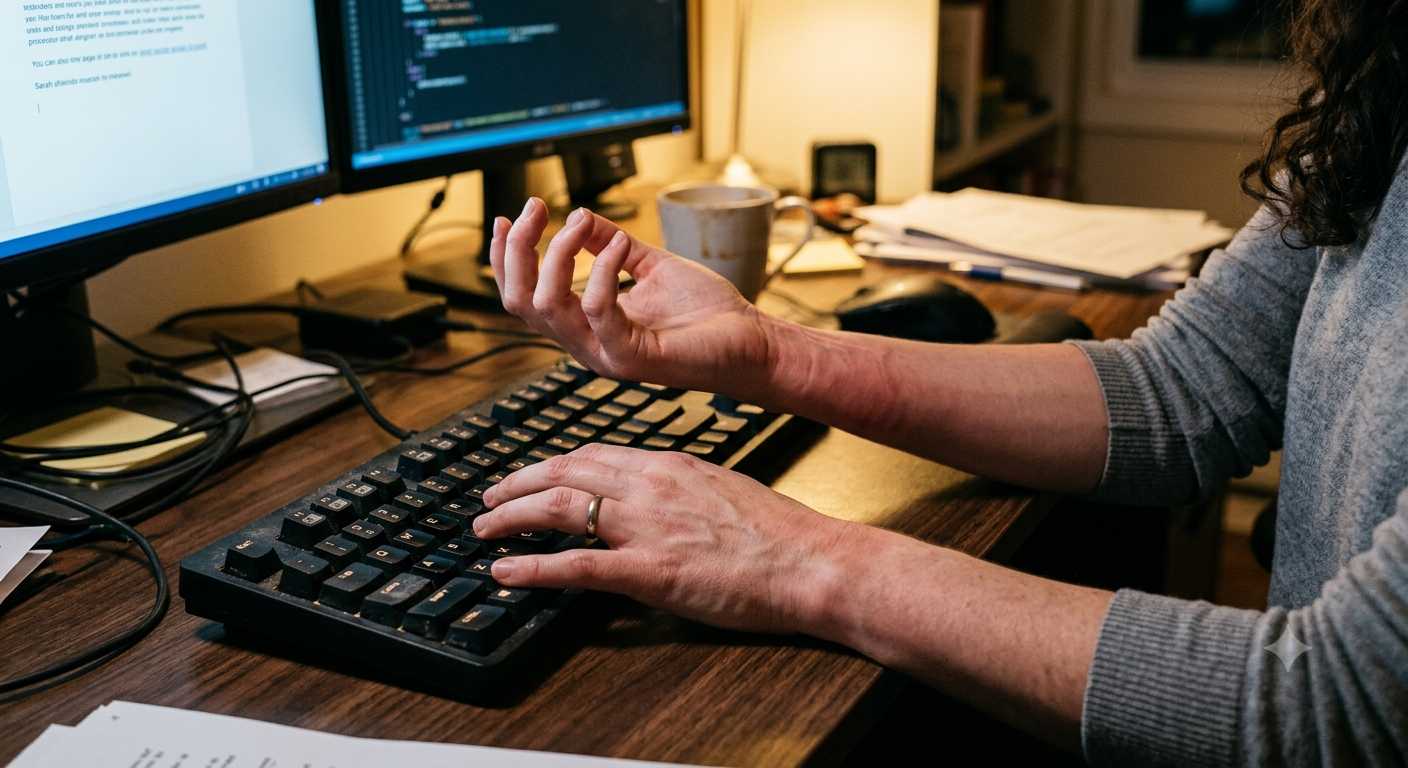
If you spend your workday at a keyboard, you’ve probably noticed it. Your hands start the day feeling fine, and by the afternoon they feel tight, a little achy, or just generally worn out. This is a common experience, and there’s a fairly clear explanation for why it happens.
This article looks at what’s actually going on in your hands after a day of typing, based on general medical guidance, and covers some practical ways people tend to find relief.
Typing Involves More Repetitive Motion Than It Seems
It’s easy to think of typing as low effort compared to physical labor, but your hands are doing an enormous number of small, repeated movements over the course of a day. According to Cleveland Clinic, repetitive strain injuries are commonly linked to any motion done frequently enough, including typing on a computer, and tend to affect the fingers and thumbs most often. Each keystroke is a small motion, but thousands of them over a workday add up to real, cumulative demand on the muscles and tendons in your hands.
What’s Happening in Your Tendons and Muscles
Your fingers move thanks to tendons that run from muscles in your forearm, through your wrist, and into your fingers. These tendons run through narrow passageways, and repeated motion without enough rest can lead to a build up of tension and, over time, contribute to inflammation in the tendons or the sheaths that cover them. Mayo Clinic notes that repetitive hand and wrist motion is a known contributor to overuse conditions like tendonitis, which is part of why hands can start to feel stiff or fatigued after sustained typing.
This doesn’t mean everyone who types for a living will develop a specific condition, but it does explain why stiffness and tiredness are such a common, near universal complaint among people who type for long stretches.
Posture and Positioning Play a Role Too
How your hands and wrists are positioned while typing matters as much as how much you’re typing. Bending your wrists at an angle, resting them awkwardly on a hard desk edge, or gripping a mouse too tightly all add extra strain on top of the repetitive motion itself. Keeping your wrists in a more neutral, straight position while typing is a commonly recommended way to reduce some of this added strain.
What Tends to Help by the End of the Day
A few approaches are consistently recommended for easing hand fatigue after a day of typing:
- Taking short breaks to stretch your fingers and wrists throughout the day, rather than waiting until everything feels tight
- Adjusting your desk setup so your wrists stay in a neutral position rather than bent up or down while typing
- Gentle movement, like opening and closing your hands slowly or rotating your wrists, to keep blood flowing to the area
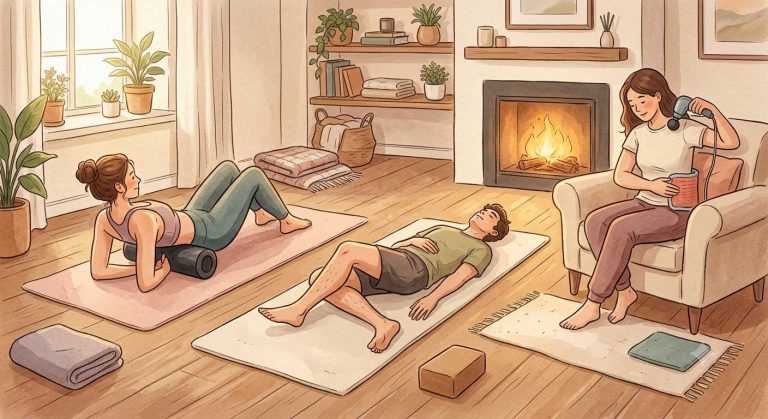
- Warmth and massage, which can help ease muscle tension that’s built up over hours of repetitive movement
Heat in particular is often mentioned as helpful for hand stiffness, since warmth can relax tight muscles similarly to how it works elsewhere in the body. A hand massager that combines heat with gentle compression is one way to bring both of these together in a single, low-effort routine at the end of a workday.
When It’s Worth Mentioning to a Doctor
Occasional stiffness or tiredness after typing is common and usually nothing to worry about. That said, medical sources note that persistent pain, numbness, tingling, or symptoms that don’t improve with rest and basic care are worth mentioning to a doctor, since these can sometimes point toward a condition that benefits from earlier evaluation rather than home care alone.
Final Thoughts
Stiff, tired hands after a day of typing come down to the sheer volume of repetitive motion your fingers and tendons go through, combined with posture and positioning throughout the day. Breaks, stretching, better desk setup, and warmth or massage in the evening are all reasonable ways to ease that end-of-day feeling. If stiffness starts feeling persistent or comes with numbness or tingling, checking in with a doctor is a sensible next step.
References:
- Cleveland Clinic, repetitive strain injury overview: https://my.clevelandclinic.org/health/diseases/17424-repetitive-strain-injury
- Mayo Clinic News Network, repetitive motion injuries Q&A: https://newsnetwork.mayoclinic.org/discussion/mayo-clinic-q-and-a-repetitive-motion-injuries-during-covid-19/